Piaget, Jean (1952), Boring, Edwin G.; Werner, Heinz; Langfeld, Herbert S.; Yerkes, Robert M. (eds.), "Jean Piaget.", A History of Psychology in Autobiography, Vol IV., Worcester: Clark University Press, pp. 237–256, doi:10.1037/11154-011, retrieved 7 July 2022
supp.apa.org
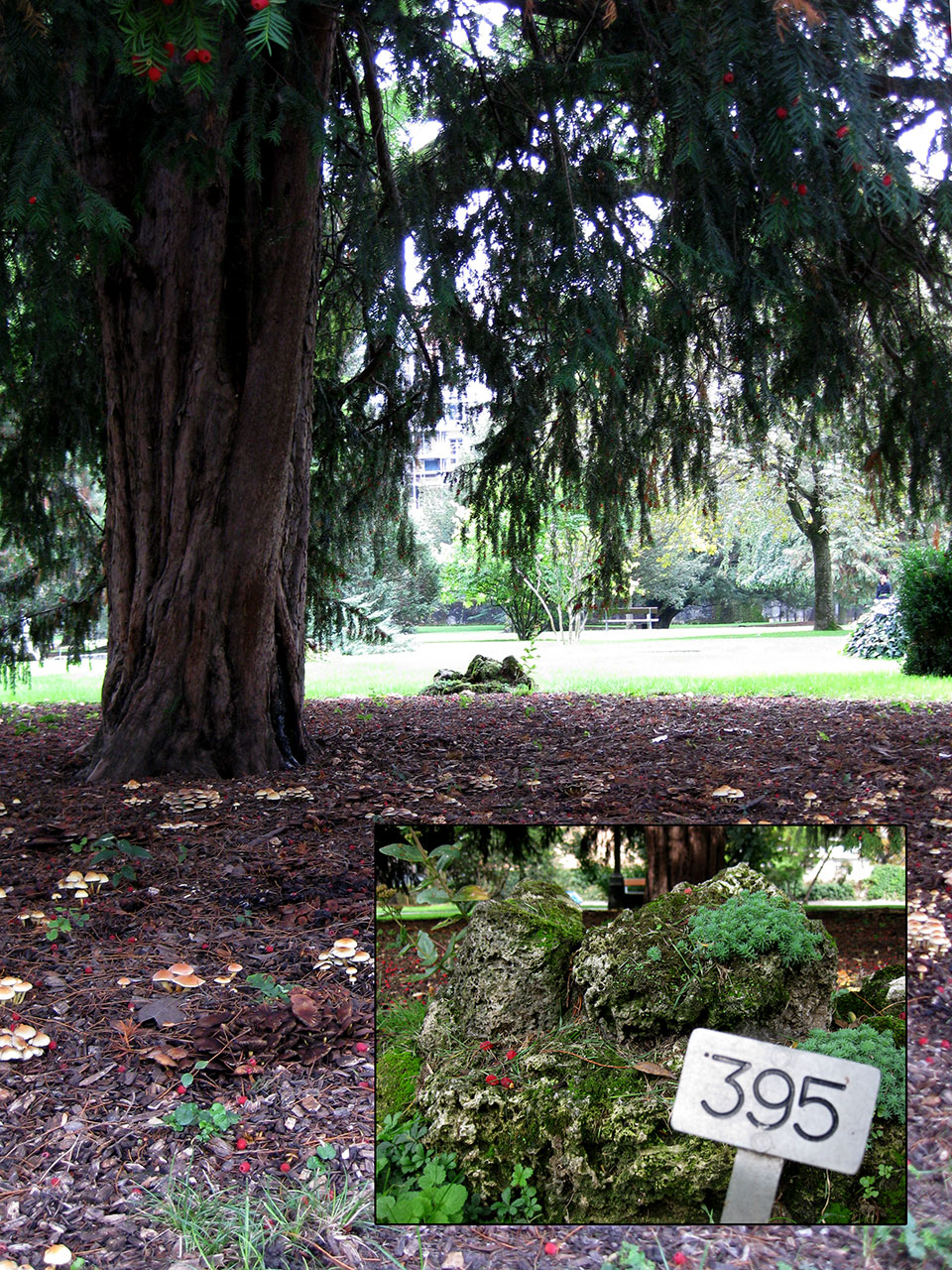
Burman, Jeremy Trevelyan (2013). "Profiles of international archives: Les archives Jean Piaget, University of Geneva, Switzerland". History of Psychology. 16 (2): 158–61. doi:10.1037/a0031405. PMID23544355. A photograph of his grave is available here.
von Glasersfeld, E. (1990). "An exposition of constructivism: Why some like it radical". Journal for Research in Mathematics Education: Monograph. 4: 19–29 & 195–210 [22]. doi:10.2307/749910. ISSN0883-9530. JSTOR749910. (p. 22).
Hsueh, Y (2009). "Piaget in the United States, 1925–1971. In U. Müller, J. I. M. Carpendale & L. Smith (Eds.), The Cambridge Companion to Piaget (pp. 344–370). Cambridge, UK: Cambridge University Press. Müller, U., Burman, J. T., & Hutchinson, S. (2013). The developmental psychology of Jean Piaget: A quinquagenary retrospective". Journal of Applied Developmental Psychology. 34 (1): 52–55. doi:10.1016/j.appdev.2012.10.001.
Piaget, Jean (1952), Boring, Edwin G.; Werner, Heinz; Langfeld, Herbert S.; Yerkes, Robert M. (eds.), "Jean Piaget.", A History of Psychology in Autobiography, Vol IV., Worcester: Clark University Press, pp. 237–256, doi:10.1037/11154-011, retrieved 7 July 2022
Anon (1970). "Distinguished Scientific Contribution Awards: 1969: Citation for Jean Piaget". American Psychologist. 25 (1): 65–79. doi:10.1037/h0020564. PMID4910176.
Burman, Jeremy Trevelyan (2013). "Profiles of international archives: Les archives Jean Piaget, University of Geneva, Switzerland". History of Psychology. 16 (2): 158–61. doi:10.1037/a0031405. PMID23544355. A photograph of his grave is available here.
Beilin, H. (1992). "Piaget's enduring contribution to developmental psychology". Developmental Psychology. 28 (2): 191–204. doi:10.1037/0012-1649.28.2.191. S2CID14459165.
Hsueh, Y. (2002). "The Hawthorne Experiments and the introduction of Jean Piaget in American Industrial Psychology, 1929–1932". History of Psychology. 5 (2): 163–189. doi:10.1037/1093-4510.5.2.163. PMID12096759.
Hsueh, Y (2004). "He sees the development of children's concepts upon a background of sociology": Jean Piaget's honorary degree at Harvard University in 1936". History of Psychology. 7 (1): 20–44. doi:10.1037/1093-4510.7.1.20. PMID15022668.
Hawkins, Shannon M.; Heflin, L. Juane (2001). "Increasing Secondary Teachers' Behavior-Specific Praise Using a Video Self-Modeling and Visual Performance Feedback Intervention". Journal of Positive Behavior Interventions. 12 (2): 97–108. doi:10.1177/1098300709358110. S2CID143631715.
Griffin, S.A. (2004). "Building number sense with Number Worlds: a mathematics program for young children". Early Childhood Research Quarterly. 19: 173–180. doi:10.1016/j.ecresq.2004.01.012.
Fuson, Karen C. (2009). "Avoiding misinterpretations of Piaget and Vygotsky: Mathematical teaching without learning, learning without teaching, or helpful learning-path teaching?". Cognitive Development. 24 (4): 343–361. doi:10.1016/j.cogdev.2009.09.009. ISSN0885-2014.
Chambers, Bette; Cheung, Alan C.K.; Slavin, Robert E. (2016). "Literacy and language outcomes of comprehensive and developmental-constructivist approaches to early childhood education: A systematic review". Educational Research Review. 18. Elsevier BV: 88–111. doi:10.1016/j.edurev.2016.03.003. ISSN1747-938X.
Levine, Charles; Kohlberg, Lawrence; Hewer, Alexandra (1985). "The Current Formulation of Kohlberg's Theory and a Response to Critics". Human Development. 28 (2): 94–100. doi:10.1159/000272945.
Shweder, Richard A.; Haidt, Jonathan (6 May 2016). "The Future of Moral Psychology: Truth, Intuition, and the Pluralist Way". Psychological Science. 4 (6): 360–365. doi:10.1111/j.1467-9280.1993.tb00582.x. S2CID143483576.
Burman, J. T. (2007). "Piaget No 'Remedy' for Kuhn, But the Two Should be Read Together: Comment on Tsou's 'Piaget vs. Kuhn on Scientific Progress'". Theory & Psychology. 17 (5): 721–732. doi:10.1177/0959354307079306. S2CID145497321.
Burman, J. T. (2008). "Experimenting in relation to Piaget: Education is a chaperoned process of adaptation". Perspectives on Science. 16 (2): 160–195. doi:10.1162/posc.2008.16.2.160. S2CID57572564.
Siegel, Linda S (1993). "Amazing new discovery: Piaget was wrong!". Canadian Psychology. 34 (3): 239–245. doi:10.1037/h0078835.
von Glasersfeld, E. (1990). "An exposition of constructivism: Why some like it radical". Journal for Research in Mathematics Education: Monograph. 4: 19–29 & 195–210 [22]. doi:10.2307/749910. ISSN0883-9530. JSTOR749910. (p. 22).
Voyat, G. (1981). "Jean Piaget: 1896–1980". The American Journal of Psychology. 94 (4): 645–648. PMID7044156.
Anon (1970). "Distinguished Scientific Contribution Awards: 1969: Citation for Jean Piaget". American Psychologist. 25 (1): 65–79. doi:10.1037/h0020564. PMID4910176.
Burman, Jeremy Trevelyan (2013). "Profiles of international archives: Les archives Jean Piaget, University of Geneva, Switzerland". History of Psychology. 16 (2): 158–61. doi:10.1037/a0031405. PMID23544355. A photograph of his grave is available here.
Hsueh, Y. (2002). "The Hawthorne Experiments and the introduction of Jean Piaget in American Industrial Psychology, 1929–1932". History of Psychology. 5 (2): 163–189. doi:10.1037/1093-4510.5.2.163. PMID12096759.
Hsueh, Y (2004). "He sees the development of children's concepts upon a background of sociology": Jean Piaget's honorary degree at Harvard University in 1936". History of Psychology. 7 (1): 20–44. doi:10.1037/1093-4510.7.1.20. PMID15022668.
Hawkins, Shannon M.; Heflin, L. Juane (2001). "Increasing Secondary Teachers' Behavior-Specific Praise Using a Video Self-Modeling and Visual Performance Feedback Intervention". Journal of Positive Behavior Interventions. 12 (2): 97–108. doi:10.1177/1098300709358110. S2CID143631715.
Shweder, Richard A.; Haidt, Jonathan (6 May 2016). "The Future of Moral Psychology: Truth, Intuition, and the Pluralist Way". Psychological Science. 4 (6): 360–365. doi:10.1111/j.1467-9280.1993.tb00582.x. S2CID143483576.
Burman, J. T. (2007). "Piaget No 'Remedy' for Kuhn, But the Two Should be Read Together: Comment on Tsou's 'Piaget vs. Kuhn on Scientific Progress'". Theory & Psychology. 17 (5): 721–732. doi:10.1177/0959354307079306. S2CID145497321.
Burman, J. T. (2008). "Experimenting in relation to Piaget: Education is a chaperoned process of adaptation". Perspectives on Science. 16 (2): 160–195. doi:10.1162/posc.2008.16.2.160. S2CID57572564.
von Glasersfeld, E. (1990). "An exposition of constructivism: Why some like it radical". Journal for Research in Mathematics Education: Monograph. 4: 19–29 & 195–210 [22]. doi:10.2307/749910. ISSN0883-9530. JSTOR749910. (p. 22).
Fuson, Karen C. (2009). "Avoiding misinterpretations of Piaget and Vygotsky: Mathematical teaching without learning, learning without teaching, or helpful learning-path teaching?". Cognitive Development. 24 (4): 343–361. doi:10.1016/j.cogdev.2009.09.009. ISSN0885-2014.
Chambers, Bette; Cheung, Alan C.K.; Slavin, Robert E. (2016). "Literacy and language outcomes of comprehensive and developmental-constructivist approaches to early childhood education: A systematic review". Educational Research Review. 18. Elsevier BV: 88–111. doi:10.1016/j.edurev.2016.03.003. ISSN1747-938X.